 ★★★★★
★★★★★ |
|  English
 Français
 Italiano
 Dansk
Dansk
Menu
-
MenuBack
-
Our Wines
-
-
-
-
Colors
-
-
-
GIFT CARDS
-
-
Offers
-
-
-
Wine Estates
-
BOURGOGNE
-
-
Titre bourgogne
- B
- BACHELET AURORE
- BACHELET JEAN-CLAUDE
- BACHELET-MONNOT
- BACHEY-LEGROS
- BAILLOT ARNAUD
- BAILLOT VAN CANNEYT LAURE
- BALLAND-CURTET
- BALLAND-CURTET (made by Domaine Roulot)
- BALLOT-MILLOT
- BART
- BAVARD JACQUES
- BEAUNE ALINE
- BELLAND ROGER
- BELLENE ROCK
- BELLEVILLE
- BERLANCOURT ADRIEN
- BERTHEAU FRANCOIS
- BERTHELEMOT
- BILLAUD-SIMON
- BINAUME
- BLAIN MARC-ANTONIN
- BOCCON THOMAS
- BOIGELOT ERIC
- BOILLOT HENRI
- BOILLOT JEAN-MARC
- BOISSET JEAN-CLAUDE
- BOISSON PIERRE
- BONGRAN
- BONNEAU DU MARTRAY
- BORGEOT
- BOUCHARD AINE
- BOUCHARD PERE & FILS
- BOULEY JEAN-MARC
- BOULEY PIERRICK
- BOUVIER RENE
- BOUZEREAU MICHEL
- BROTHER & SISTER DRINKS
- BURGUET NICOLAS
- BZIKOT PERE & FILS
- C
- CATHIARD SYLVAIN
- CELLIER AUX MOINES
- CHABLISIENNE
- CHABLISIENNE - ICAUNA
- CHAMPY BORIS
- CHANDON DE BRIAILLES
- CHARTON VINCENT & JEAN-PIERRE
- CHATEAU DE LA TOUR
- CHATEAU DE MARSANNAY
- CHATEAU DE MEURSAULT
- CHAVY JEAN-LOUIS
- CHAVY PAUL
- CHAVY-CHOUET
- CHEURLIN NOELLAT Maxime
- CHEVILLON ROBERT
- CHEZEAUX JEROME
- CHÂTEAU DE CHAMIREY
- CLAIR BRUNO
- CLERGET CHRISTIAN
- CLERGET YVON
- CLOS DE LA CHAPELLE
- CLOS DE TART
- CLOS DU MOULIN AUX MOINES
- CLOS SAINT JOSEPH
- COCHE FABIEN
- COCHE-DURY
- COFFINET-DUVERNAY
- COLIN BRUNO
- COLIN JOSEPH
- COLIN MARC
- COLIN SIMON
- COLIN-MOREY PIERRE-YVES
- COMTE SENARD
- COMTES LAFON
- CONFURON JEAN-JACQUES
- COQUARD LOISON FLEUROT
- D
- DAMOY PIERRE
- DAMPT
- DANCER THEO
- DANCER VINCENT
- DARVIOT-PERRIN
- DAUVISSAT JEAN & FILS
- DAUVISSAT RENE & VINCENT
- DE COURCEL
- DE MONTILLE
- DE SUREMAIN ERIC
- DEFAIX BERNARD
- DELAGRANGE HENRI
- DIDON
- DOMAINE DE LA CRAS
- DOMAINE DE LA TOUR PENET
- DOMAINE DES CHEZEAUX
- DROIN JEAN PAUL & BENOIT
- DROUHIN JOSEPH
- DROUHIN-LAROZE
- DROUHIN-VAUDON
- DUBUET-BOILLOT
- DUGAT CLAUDE
- DUJAC
- DUJARDIN
- DUPLESSIS GERARD
- DUROCHE DOMAINE
- DUROCHE PIERRE & MARIANNE
- F
- FAIVELEY
- FAMILLE MATROT
- FELETTIG
- FELIX-HELIX
- FERRET J.A
- FEVRE WILLIAM
- FONTAINE-GAGNARD
- FORNEROL DIDIER
- G
- GALEYRAND JERÔME
- GAMBAL ALEX
- GARAUDET FLORENT
- GARENNE
- GEANTET-PANSIOT
- GENOT-BOULANGER
- GERMAIN HENRI
- GIRARDIN PIERRE
- GIRARDIN VINCENT
- GIROUD CAMILLE
- GLANTENAY THIERRY
- GOUGES HENRI
- GRAS ALAIN
- GRIVAULT ALBERT
- GRIVOT JEAN
- GROFFIER ROBERT PERE & FILS
- GROS ANNE
- GUILLON JEAN-MICHEL
- GUY BOCARD
- GUYON JEAN-PIERRE
- H
- HARMAND-GEOFFROY
- HEILLY-HUBERDEAU
- HEITZ ARMAND
- HENRY MARTHE
- HERESZTYN-MAZZINI
- HERITIERS DU COMTE LAFON
- HOSPICES DE BEAUNE
- HUDELOT-NOELLAT
- HUMBERT FRERES
- J
- JADOT LOUIS
- JAEGER-DEFAIX
- JAVILLIER PATRICK
- JAYER GILLES
- JAYER JACQUELINE
- JEANNOT
- JESSIAUME JB
- JOBLOT
- JOLIET
- JOUAN OLIVIER
- JULIEN GERARD ET FILS
- L
- LA COMMARAINE
- LA PIERRE RONDE - ANTOINE LEPETIT DE LA BIGNE
- LABET PIERRE
- LABOURE-ROI
- LAFARGE MICHEL
- LAHAYE
- LAMARCHE FRANCOIS
- LAMARCHE NICOLE
- LAMBRAYS
- LAMY-PILLOT
- LAUNAY-HORIOT
- LAVANTUREUX ROLAND
- LE MOINE LUCIEN
- LE NID - FAMILLE LARDET
- LEBREUIL JEAN-BAPTISTE
- LEBREUIL PIERRE & J-B
- LECHENEAUT PERE & FILS
- LEFLAIVE DOMAINE
- LEROUX BENJAMIN
- LEROY DOMAINE
- LEROY HOUSE
- LES COCOTTES
- LIENHARDT ANTOINE
- LIGER-BELAIR THIBAULT
- LIGNIER HUBERT
- LIGNIER MICHELOT
- LIGNIER-MICHELOT
- LIVERA PHILIPPE
- LOISEAU
- LORENZON BRUNO
- M
- MAGNIEN HENRI
- MAISON EN BELLES LIES
- MAISON GAUTHERON D'ANOST
- MAISON ROMANE
- MALDANT-PAUVELOT
- MALLARD MICHEL
- MANIERE RICHARD
- MARCHAND-GRILLOT
- MARQUIS D'ANGERVILLE
- MATROT PIERRE
- MATROT THIERRY & PASCALE
- MEO-CAMUZET
- MEO-CAMUZET Brother & Sister
- MEO-CAMUZET Brother & Sisters
- MERLIN
- MESSAGER-GERMAIN
- MIA
- MIKULSKI FRANCOIS
- MILLOT JEAN-MARC
- MINIERE F & R
- MONGEARD-MUGNERET
- MONTHELIE-DOUHAIRET-PORCHERET
- MOREAU ALEX
- MOREAU BENOIT
- MOREAU BERNARD ET FILS
- MOREAU CHRISTIAN
- MOREAU DAVID
- MOREAU JEAN & FILS
- MOREAU-NAUDET
- MORET DAVID
- MORET HUBERT
- MOREY BERNARD
- MOREY CAROLINE
- MOREY JEAN-MARC
- MOREY MARC
- MOREY PIERRE
- MOREY SYLVAIN
- MOREY THOMAS
- MOREY-BLANC
- MOREY-COFFINET
- MORIN NICOLAS
- MOROT ALBERT
- MORTET DENIS
- MUGNERET-GIBOURG
- MUGNIER JACQUES-FREDERIC
- MUZARD LUCIEN
- P
- PACALET PHILIPPE
- PAQUET AGNES
- PARCELS OF LAND IN SAULX
- PASCAL JOSEPH
- PATAILLE LAURENT
- PATAILLE SYLVAIN
- PATTES-LOUP - THOMAS PICO
- PAVELOT
- PERDRIX
- PERNOT ALVINA
- PERNOT PAUL
- PERROT-MINOT
- PETITE EMPREINTE
- PICAMELOT LOUIS
- PILLOT PAUL
- POMMIER DENIS
- PONELLE Daniel
- PONSOT
- PONSOT JEAN-BAPTISTE
- PONSOT LAURENT
- PRUNIER-BONHEUR
- R
- RAMONET
- RAMONET J-C
- REBOURSEAU HENRI
- RECCHIONE JEREMY
- REMOISSENET
- ROC BREÏA
- ROSSIGNOL-TRAPET
- ROTY JOSEPH
- ROUGET EMMANUEL
- ROUGET PERE & FILS
- ROULOT
- ROULOT JEAN-MARC
- ROUMIER CHRISTOPHE
- ROUMIER GEORGES
- ROUMIER LAURENT
- ROUSSEAU ARMAND
- ROUX
- ROY ELODIE
-
-
-
SUD-OUEST
-
-
ALSACE
-
-
Alsace
-
-
-
BORDEAUX
-
-
Bordeaux
- B
- BAUDON
- C
- CHATEAU BAHANS HAUT-BRION
- CHATEAU CANTEMERLE
- CHATEAU CLAUZET
- CHATEAU CLOS DELINE
- CHATEAU DE BIROT
- CHATEAU DESMIRAIL
- CHATEAU DURFORT-VIVENS
- CHATEAU FERRAN
- CHATEAU FERRIERE
- CHATEAU HAUT-BAGES LIBERAL
- CHATEAU HAUT-CONDISSAS
- CHATEAU L'ENCLOS
- CHATEAU LE PUY
- CHATEAU MENEY
- CHATEAU MONBOUSQUET
- CHATEAU MONLOT
- CHATEAU PINDEFLEURS
- CHEVALIER ESTATE
- CHÂTEAU ANGELUS
- CHÂTEAU BATAILLEY
- CHÂTEAU BEAU-SÉJOUR BÉCOT
- CHÂTEAU BEAUSÉJOUR
- CHÂTEAU BELAIR-MONANGE
- CHÂTEAU BERLIQUET
- CHÂTEAU BEYCHEVELLE
- CHÂTEAU BRANAIRE-DUCRU
- CHÂTEAU BRANE-CANTENAC
- CHÂTEAU CALON-SÉGUR
- CHÂTEAU CANON
- CHÂTEAU CANON-LA-GAFFELIERE
- CHÂTEAU CANTENAC BROWN
- CHÂTEAU CAPBERN
- CHÂTEAU CHAMBERT-MARBUZET
- CHÂTEAU CHEVAL BLANC
- CHÂTEAU CLERC MILON
- CHÂTEAU CLINET
- CHÂTEAU CLOS DES JACOBINS
- CHÂTEAU COS D'ESTOURNEL
- CHÂTEAU COUTET
- CHÂTEAU D'ARMAILHAC
- CHÂTEAU D'ISSAN
- CHÂTEAU D'YQUEM
- CHÂTEAU DE CERONS
- CHÂTEAU DE FARGUES
- CHÂTEAU DE FIEUZAL
- CHÂTEAU DE FRANCE
- CHÂTEAU DE MYRAT
- CHÂTEAU DE PEZ
- CHÂTEAU DE SAINTE HELENE
- CHÂTEAU DOISY-DAËNE
- CHÂTEAU DOISY-VEDRINES
- CHÂTEAU DUCRU-BEAUCAILLOU
- CHÂTEAU DUHART-MILON
- CHÂTEAU FIGEAC
- CHÂTEAU FILHOT
- CHÂTEAU GLORIA
- CHÂTEAU GRAND-PUY-LACOSTE
- CHÂTEAU GRUAUD LAROSE
- CHÂTEAU GUIRAUD
- CHÂTEAU HAUT-BAILLY
- CHÂTEAU HAUT-BERGEY
- CHÂTEAU HAUT-BRION
- CHÂTEAU HAUT-MARBUZET
- CHÂTEAU HOSANNA
- CHÂTEAU JOANIN BECOT
- CHÂTEAU L'EGLISE-CLINET
- CHÂTEAU L'EVANGILE
- CHÂTEAU LA CLOTTE
- CHÂTEAU LA CONSEILLANTE
- CHÂTEAU LA DOMINIQUE
- CHÂTEAU LA FLEUR-PÉTRUS
- CHÂTEAU LA GAFFELIERE
- CHÂTEAU LA GRAVE TRIGANT DE BOISSET
- CHÂTEAU LA MISSION HAUT-BRION
- CHÂTEAU LA SERRE
- CHÂTEAU LA TOUR BLANCHE
- CHÂTEAU LA-GAFFELIERE
- CHÂTEAU LAFITE ROTHSCHILD
- CHÂTEAU LAFLEUR
- CHÂTEAU LAGRANGE
- CHÂTEAU LANGOA-BARTON
- CHÂTEAU LARCIS DUCASSE
- CHÂTEAU LARRIVET HAUT-BRION
- CHÂTEAU LATOUR
- CHÂTEAU LES CARMES HAUT-BRION
- CHÂTEAU LYNCH-BAGES
- CHÂTEAU LÉOVILLE BARTON
- CHÂTEAU LÉOVILLE LAS CASES
- CHÂTEAU LÉOVILLE POYFERRÉ
- CHÂTEAU MALESCOT SAINT-EXUPÉRY
- CHÂTEAU MANGOT
- CHÂTEAU MARGAUX
- CHÂTEAU MARQUIS DE TERME
- CHÂTEAU MEYNEY
- CHÂTEAU MONTROSE
- CHÂTEAU MOULIN SAINT-GEORGES
- CHÂTEAU MOUTON ROTHSCHILD
- CHÂTEAU MOUTON-ROTHSCHILD
- CHÂTEAU NENIN
- CHÂTEAU PAPE CLEMENT
- CHÂTEAU PAVIE
- CHÂTEAU PETIT-VILLAGE
- CHÂTEAU PEYRAT
- CHÂTEAU PICHON BARON
- CHÂTEAU PICHON LONGUEVILLE COMTESSE DE LALANDE
- CHÂTEAU PONTET-CANET
- CHÂTEAU POTENSAC
- CHÂTEAU POUJEAUX
- CHÂTEAU PÉDESCLAUX
- CHÂTEAU QUINAULT L'ENCLOS
- CHÂTEAU QUINTUS
- CHÂTEAU RAUZAN-SÉGLA
- CHÂTEAU RAYNE-VIGNEAU
- CHÂTEAU RIEUSSEC
- CHÂTEAU SAINT-PIERRE
- CHÂTEAU SMITH HAUT LAFITTE
- CHÂTEAU SOCIANDO-MALLET
- CHÂTEAU TALBOT
- CHÂTEAU TROPLONG MONDOT
- CHÂTEAU VALANDRAUD
- CLOS CABANA
- CLOS DU MARQUIS
- CLOS FOURTET
- CLOS L'EGLISE
- CLOS LA MADELEINE
- Chateau de Belloc
- Château La Fleur de Boüard
- I
- IF
-
-
-
BEAUJOLAIS
-
CHAMPAGNE
-
-
Champagne
- B
- BAILLETTE PIERRE
- BARA PAUL
- BARONS DE ROTHSCHILD
- BEDEL FRANCOISE
- BICHERY
- BILLECART-SALMON
- BOLLINGER
- BONVILLE FRANCK
- BROCARD PIERRE
- BROCHET EMMANUEL
- BRUNO PAILLARD
- D
- DE VENOGE
- DEHOURS & FILS
- DEHU BENOIT
- DEUTZ
- DOUSSOT-BOURDOT
- DOYARD
- DRAPPIER
- DREMONT PHILIPPE
- DUFOUR CHARLES
- DUFOUR CHARLES - FRANCOISE MARTINOT
- DUVAL-LEROY
- K
- KRUG
- L
- LA BORDERIE
- LA CLOSERIE
- LAFALISE-FROISSART
- LAHERTE FRERES
- LALLIER
- LAMBLOT A.
- LANCELOT PHILIPPE
- LARMANDIER-BERNIER
- LASSAIGNE JACQUES
- LAURENT-PERRIER
- LOMBARD
-
-
-
CORSE
-
-
Corse
-
-
-
JURA
-
-
LANGUEDOC-ROUSSILLON
-
PROVENCE
-
-
SAVOIE
-
-
Savoie
-
-
-
VAL DE LOIRE
-
VALLÉE DU RHÔNE
-
-
Rhône
- B
- BADEL NICOLAS
- BALTHAZAR FRANCK
- BANNERET
- BASTIDE DU CLAUX
- BEAUCASTEL
- BENETIERE PIERRE
- BRUNIER FAMILY
- BRUYERES
- C
- CARRIERE-OGIER
- CHAPOUTIER
- CHARVIN
- CHATEAU GRILLET
- CHAVE JEAN-LOUIS
- CHAVE SELECTION
- CLAPE AUGUSTE
- CLOS DES PAPES - PAUL AVRIL
- CLOS DU CAILLOU
- CLOS SAINT JEAN
- CLUSEL-ROCH
- COMBIER
- COURBIS
- COURSODON
- CUILLERON YVES
- CURTAT CHRISTOPHE
- G
- GANGLOFF MATHILDE & YVES
- GARON
- GERARD XAVIER
- GERIN JEAN-MICHEL
- GILLES GUILLAUME
- GRAFFEUILLE PIERRE
- GRAILLOT ALAIN
- GRAMENON
- GRIPA BERNARD
- GUIGAL ETIENNE
- J
- JABOULET CLAUDIA ET LAURENT
- JABOULET PAUL
- JABOULET PHILIPPE & VINCENT
- JAMET
- JAMET JEAN-LUC
- JANASSE
- JOHANN MICHEL
-
-
-
OTHER COUNTRY
-
-
monde
- B
- BASS PHILIPP
- BEAUX FRERES
- BIBI GRAETZ
- BIRICHINO
- BLACK SHEEP FINDS
- BLANDYS
- BODEGA CHACRA
- BODEGAS CARO
- BRICCO ERNESTO
- BY FARR
- C
- CAMPINUOVI
- CANTINA SANPAOLO
- CARA SUR
- CARDHU
- CASANOVA DI NERI
- CASTELLO DEI RAMPOLLA
- CAVALLOTTO
- CERBAIONA
- CERITAS
- CHAPPAZ MARIE-THERESE
- CIGLIUTI
- COGNO ELVIO
- COMANDO G
- CONDELLO CHIARA
- CORISON
- CURTAZ FEDERICO
- F
- FABIO GEA
- FATTORIA CERRETO LIBRI
- FATTORIA PETROLO
- FENTO WINES
- FORJAS DEL SALNES
- FRATELLI ALESSANDRIA
- FRESCOBALDI - CASTELLO NIPOZZANO
- FRESCOBALDI - TENUTA CALIMAIA
- FRESCOBALDI - TENUTA LUCE
- FULIGNI
- G
- G.D.VAJRA
- GAJA ANGELO
- GIANNI BRUNELLI
- GIULIA NEGRI
- GORELLI GIUSEPPE
- GUADO AL TASSO - ANTINORI
- GULFI
- H
- HEINRICH
- M
- MAISON BLANCHE
- MAKAROUNAS WINERY
- MASSAYA
- MENTRIDANA
- MICHELINI Y MUFFATO
- MOINOTERRA
- MONDAVI ROBERT
- MUGA
- P
- PEGASUS BAY
- PENFOLDS
- PEPE EMIDIO
- PEREZ RAUL
- PHELAN FARM
- PIAZZO
- PIEDRASASSI
- PIRA LUIGI
- PODERE IL CARNASCIALE
- PODERE SALICUTTI
- R
- RAJAT PARR WINE CLUB
- RAMOS PINTO
- RECCHIONE JEREMY
- RHUM J.M.
- RICCITELLI MATIAS
- RIPPON
- RIVETTO
- RIVIERE OLIVIER
- ROCHELT
- RODARO
- T
- TAYLOR'S
- TENUTA DELL ORNELLAIA
- TENUTA GARETTO
- TENUTA SAN GUIDO
- TENUTA SANTA MARIA
- TESSERON ESTATE
- THE COAST
- THE GARAGE WINE
- THE HILT
- THE INFERNAL
- THE PARING
- TO THE RIGHT ESTATE CLIMATE
- TOLAINI
- TORRES ACOSTA
- TREDIBERRI
- TRUTH
- Z
- ZUCCARDI
-
-
-
- New product New
- La Rentrée des vignerons
-
CLUB OFFERS
-
-
CLUB OFFERS
-
-
-
Who are we ?
-
-
Qui sommes-nous?
-
-
- Business account

JOLY NICOLAS
Located in Savennières, in the Loire Valley, Domaine de la Coulée de Serrant belongs to the Joly family. Its winemaking history dates back to 1130, when Cistercian monks planted the first vines. The site has remained under vine ever since and still retains its small ancient monastery today.
Coulée de Serrant is an appellation in its own right, covering 7 hectares. Its steep slopes overlook the Loire River and are planted with Chenin Blanc, the emblematic grape variety of Savennières white wines.
Chenin Blanc on the slopes of Savennières
The Coulée de Serrant vineyard in Savennières is distinguished by its steep slopes and schist soils. These conditions have a significant influence on vineyard work, with some tasks carried out by hand or with the help of horses.
Chenin Blanc lies at the heart of the estate’s identity. On this Loire terroir, it produces white wines that are closely connected to their place of origin. The vines at Coulée de Serrant are now between 35 and 80 years old.
Nicolas Joly and biodynamic viticulture
The name Nicolas Joly is inseparable from Coulée de Serrant and biodynamic winemaking. After returning to the family estate, he embraced this approach and became one of its best-known advocates in France. Since 1984, the entire estate has been farmed according to the principles of biodynamic agriculture.
This approach considers the vine as part of its wider environment and aims to encourage life within the soils. On the steepest slopes, manual work and the use of horses are an integral part of vineyard management.
A distinctive identity among Loire wines
Nicolas Joly’s Coulée de Serrant brings together an ancient vineyard, schist terroir, Loire Chenin Blanc and biodynamic viticulture practised throughout the estate for several decades.
This history and geographical setting give Coulée de Serrant wine a unique place among the wines of Savennières and, more broadly, the wines of the Loire Valley. Today, the estate remains committed to an approach to viticulture in which soil cultivation, grape ripeness and the expression of place play a central role.
Lire la suite...
...
There are 10 products.
Showing 1-10 of 10 item(s)
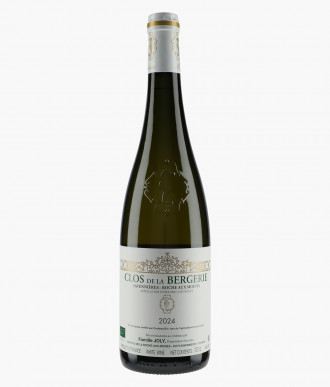
Clos de la Bergerie Savennières - Roche Aux Moines 2024
Vallée de la Loire | WhiteJOLY NICOLAS
Price
€59.00
75 cl
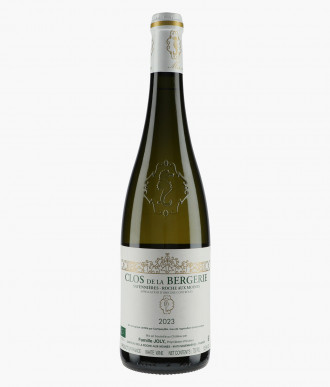
Clos de la Bergerie Savennières - Roche Aux Moines 2023
Vallée de la Loire | WhiteJOLY NICOLAS
Price
€59.00
75 cl
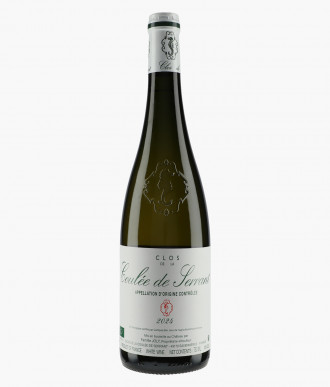
Savennières Clos de la Coulée de Serrant (Ex... 2024
Vallée de la Loire | WhiteJOLY NICOLAS
Price
€87.00
75 cl
3 IN STOCK
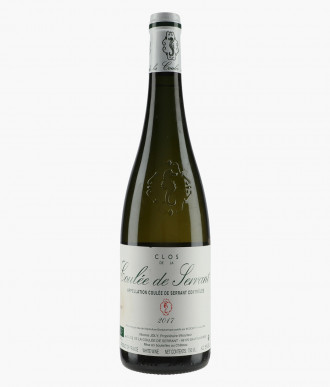
Savennières Clos de la Coulée de Serrant (Ex... 2017
Vallée de la Loire | WhiteJOLY NICOLAS
Price
€114.00
75 cl
1 IN STOCK
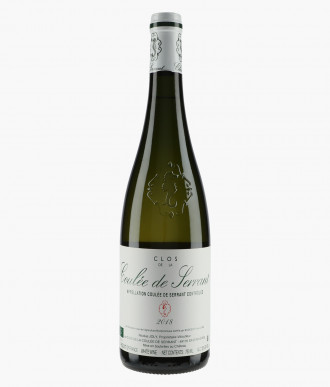
Savennières Clos de la Coulée de Serrant (Ex... 2018
Vallée de la Loire | WhiteJOLY NICOLAS
Price
€114.00
75 cl
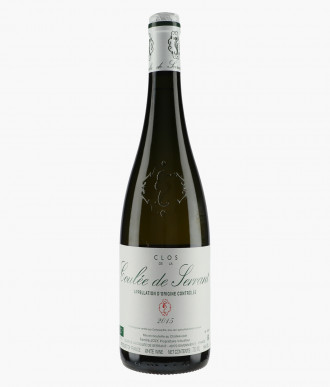
1 IN STOCK
Savennières Clos de la Coulée de Serrant (Ex... 2015
Vallée de la Loire | WhiteJOLY NICOLAS
Price
€117.00
75 cl
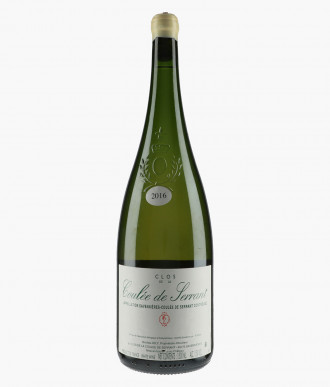
1 IN STOCK
Savennières Clos de la Coulée de Serrant (Ex... 2016
Vallée de la Loire | WhiteJOLY NICOLAS
Price
€295.00
150 cl
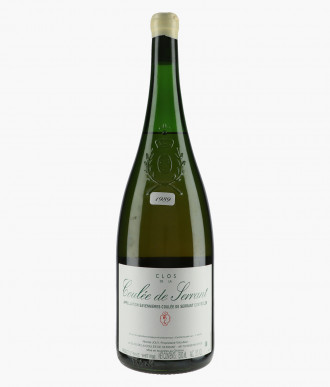
1 IN STOCK
Savennières Clos de la Coulée de Serrant (Ex... 1989
Vallée de la Loire | WhiteJOLY NICOLAS
Price
€660.00
150 cl